Gustave Moreau · 1894–95
Jupiter and Semele
Posters from $15.00 CAD · Canvas from $39.00 CAD
Ships across Canada
Semele consumed by the divine fire of seeing Jupiter in his full glory — Moreau's late masterpiece, almost overwhelmed by ornament. Musée Gustave Moreau, Paris.
Up to 16 × 29.2 in · portrait
Size
Larger sizes are unavailable for this painting because the source scan's resolution wouldn't print at gallery quality.
Format & finish
Archival cotton canvas stretched over a wooden frame. Ready to hang as-is. No external frame.
Scale next to a 5'10" person
+ tax at checkout
Materials & quality
›Canvas & inks
Giclée-printed on archival cotton canvas with fade-resistant pigment inks, hand-stretched over wooden bars. Gallery-wrapped — ready to hang with no extra frame needed.
›Floater frame
Hand-finished solid wood floater frame in five finishes. The canvas sits inside with a clean shadow gap — the way galleries hang contemporary canvas.
›Posters
Premium archival paper — 200 gsm soft matte or 230 gsm vibrant glossy. Ships flat or rolled, ready for your own frame.
›Faithful to the source
Printed from the highest-resolution museum and archive scans available. Each painting's maximum size is capped at what its source scan can support at gallery quality.
The story of Jupiter and Semele
Jupiter et Sémélé is a painting by the French Symbolist artist Gustave Moreau (1826–1898). It depicts a moment from the classical myth of the mortal woman Semele, mother of the god Dionysus, and her lover, Jupiter, the king of the gods. She was treacherously advised by the goddess Juno, Jupiter's wife, to ask him to appear to her in all his divine splendor. He obliged, but, in so doing, brought about her violent death by his divine thunder and lightning. The painting is a representation of "divinized physical love" and the overpowering experience that consumes Semele as the god appears in his supreme beauty which has been called "quite simply the most sumptuous expression imaginable of an orgasm".
Adapted from Wikipedia, available under CC BY-SA 4.0.
Gustave Moreau
Gustave Moreau was a French artist and an important figure in the Symbolist movement. Jean Cassou called him "the Symbolist painter par excellence". He was an influential forerunner of symbolism in the visual arts in the 1860s, and at the height of the symbolist movement in the 1890s, he was among the most significant painters. Art historian Robert Delevoy wrote that Moreau "brought symbolist polyvalence to its highest point in Jupiter and Semele." He was a prolific artist who produced over 15,000 paintings, watercolors, and drawings. Moreau painted allegories and traditional biblical and mythological subjects favored by the fine art academies. J. K. Huysmans wrote, "Gustave Moreau has given new freshness to dreary old subjects by a talent both subtle and ample: he has taken myths worn out by the repetitions of centuries and expressed them in a language that is persuasive and lofty, mysterious and new." The female characters from the Bible and mythology that he so frequently depicted came to be regarded by many as the archetypical symbolist woman. His art fell from favor and received little attention in the early 20th century but, beginning in the 1960s and 70s, he has come to be considered among the most paramount of symbolist painters.
All Gustave Moreau prints →Biography adapted from Wikipedia, available under CC BY-SA 4.0.
You may also like
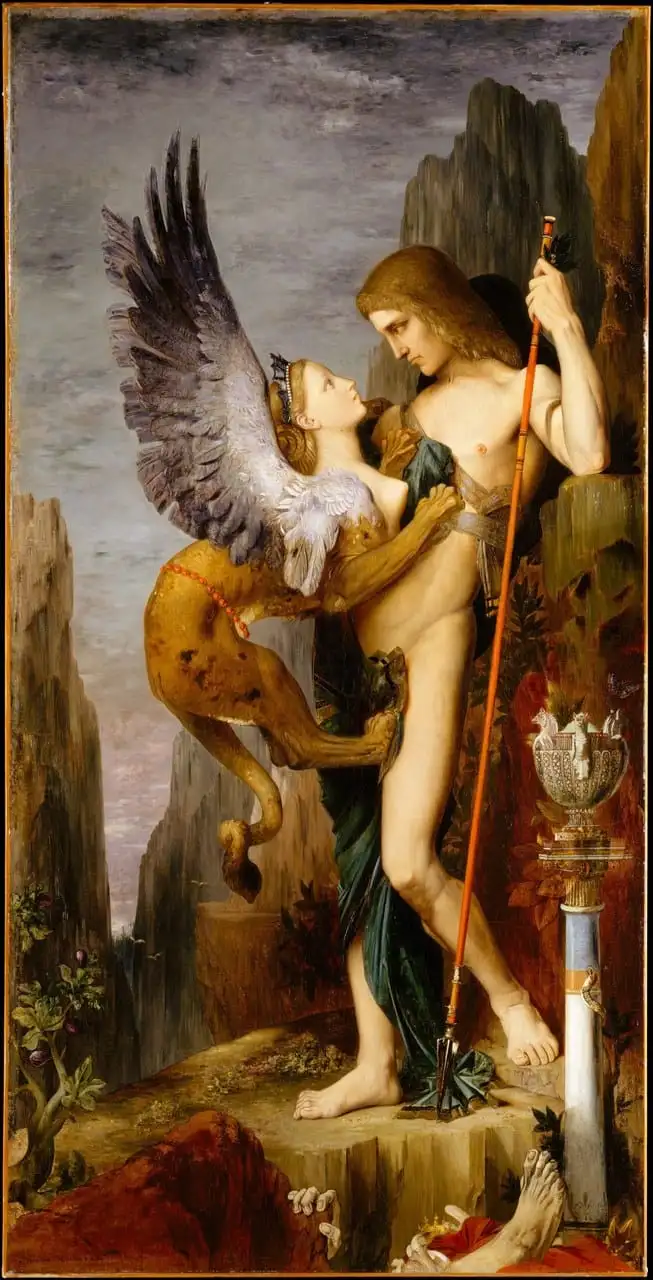
Gustave Moreau · 1864
Oedipus and the Sphinx
Mini
From $15.00 CAD
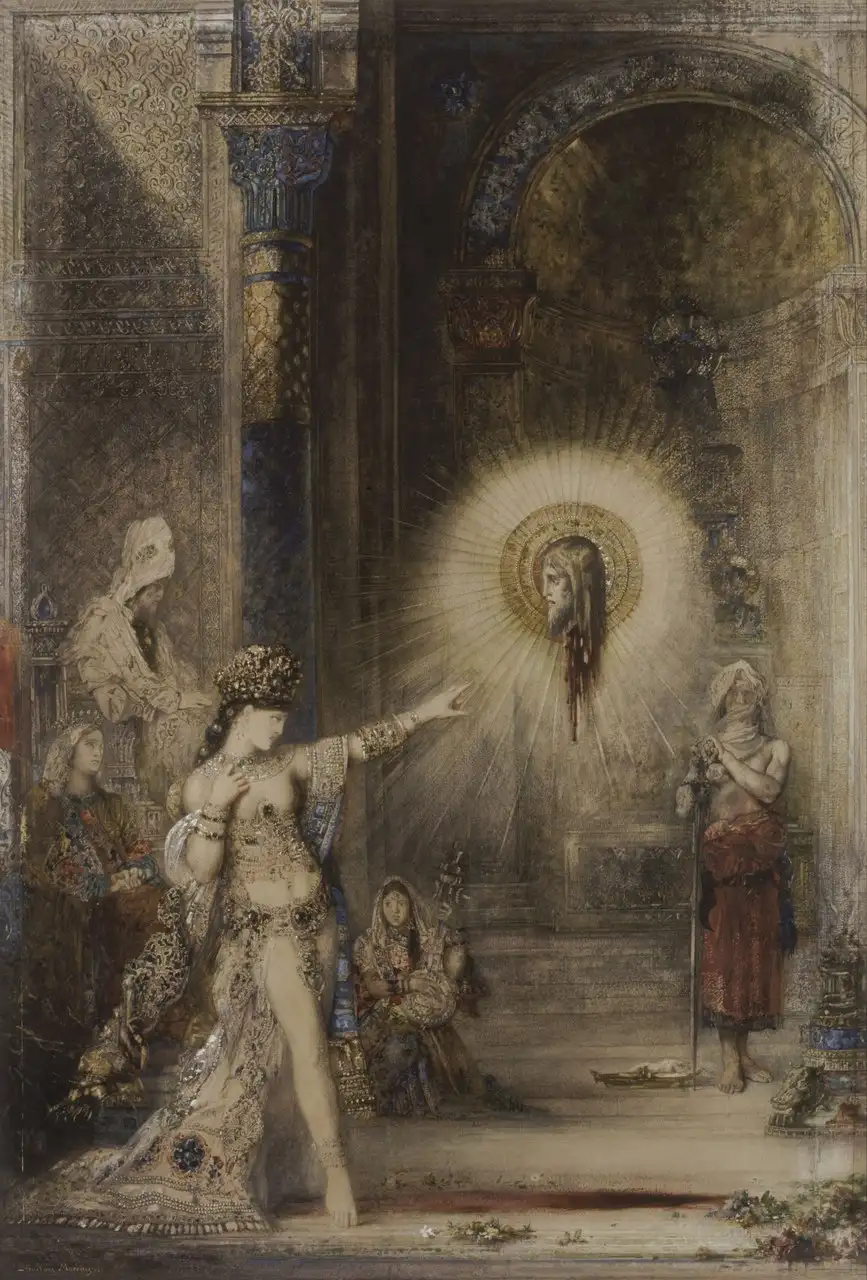
Gustave Moreau · 1874-76
The Apparition (L'Apparition)
Mini · Petite · Small · Medium
From $15.00 CAD
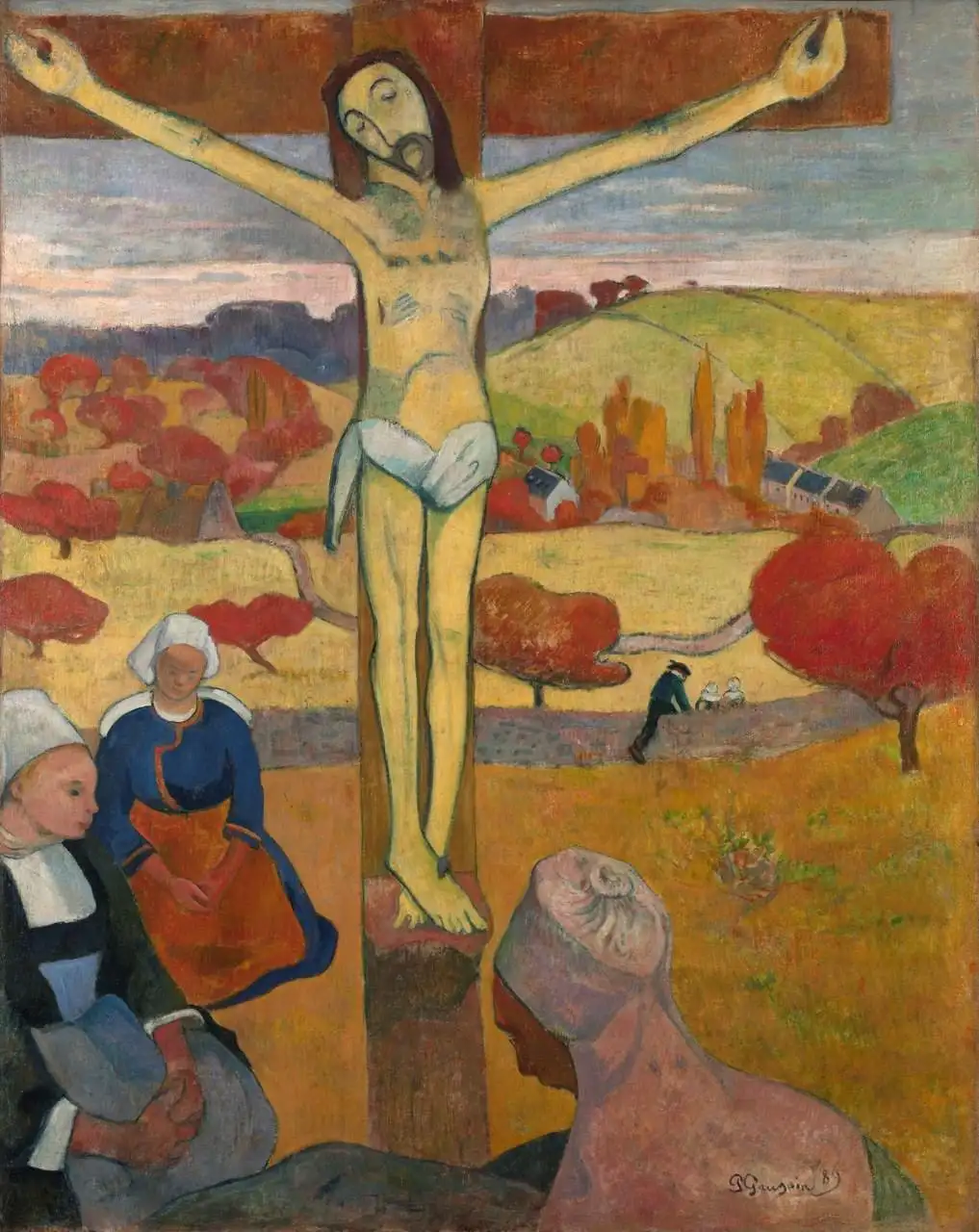
Paul Gauguin · 1889
The Yellow Christ
Mini · Petite · Small · Medium · Large
From $15.00 CAD
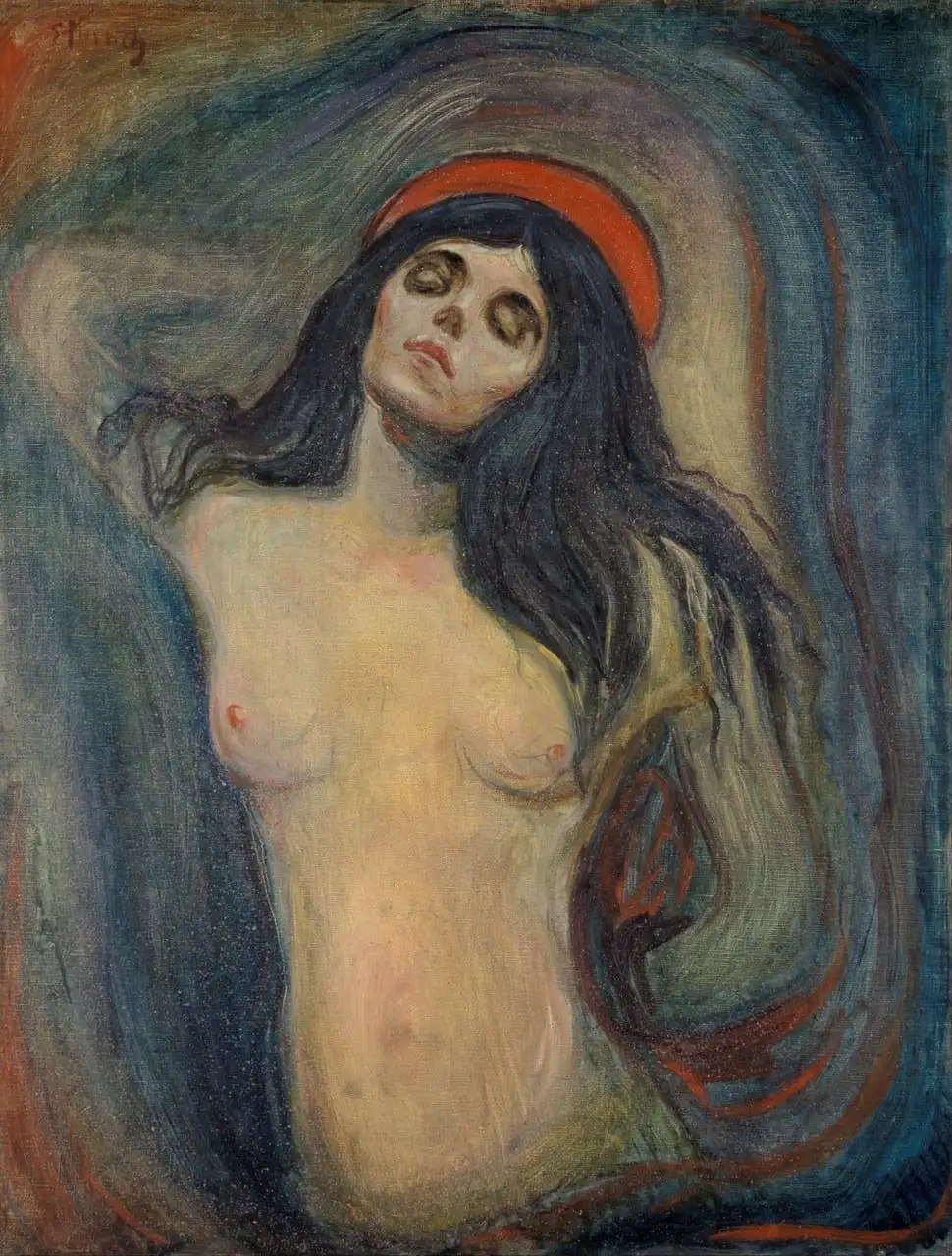
Edvard Munch · 1894
Madonna
Mini · Petite · Small
From $15.00 CAD
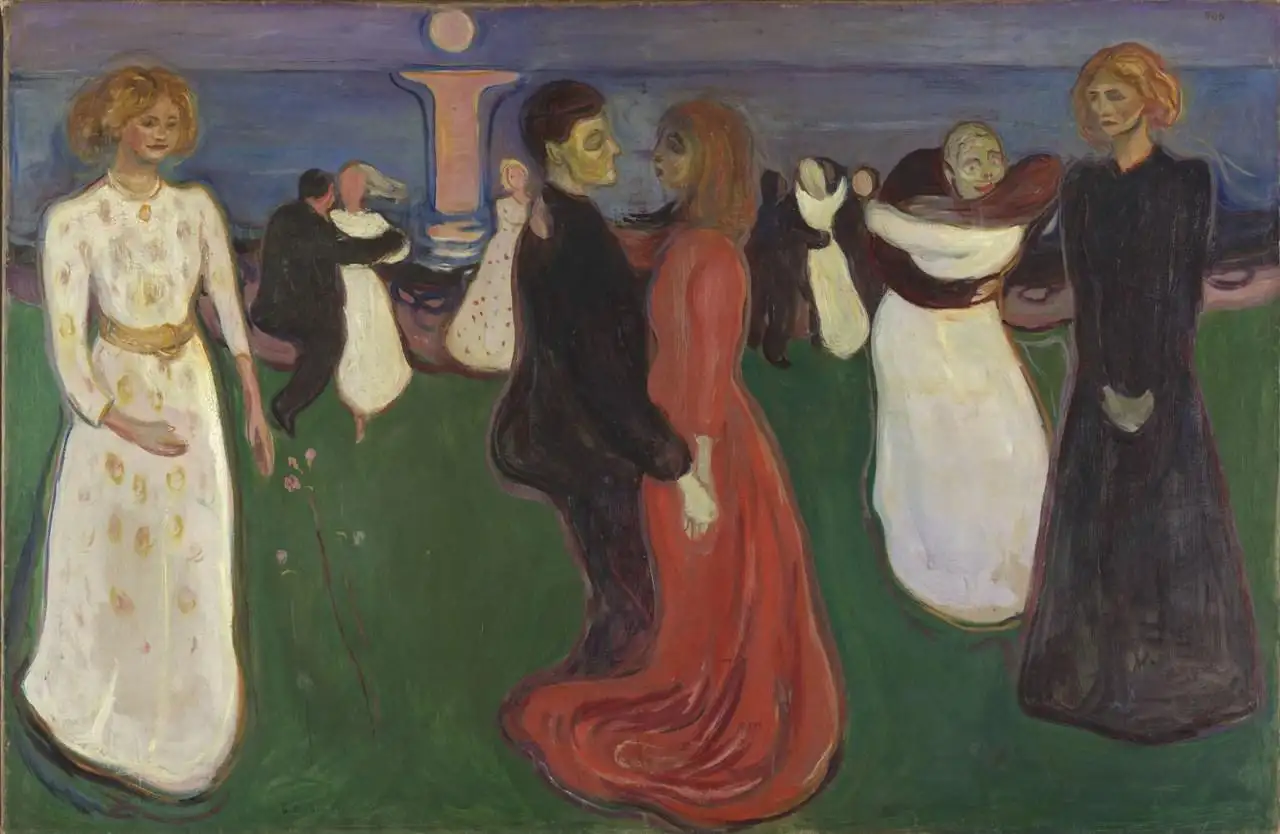
Edvard Munch · 1899–1900
The Dance of Life
Mini · Petite · Small · Medium · Large
From $15.00 CAD
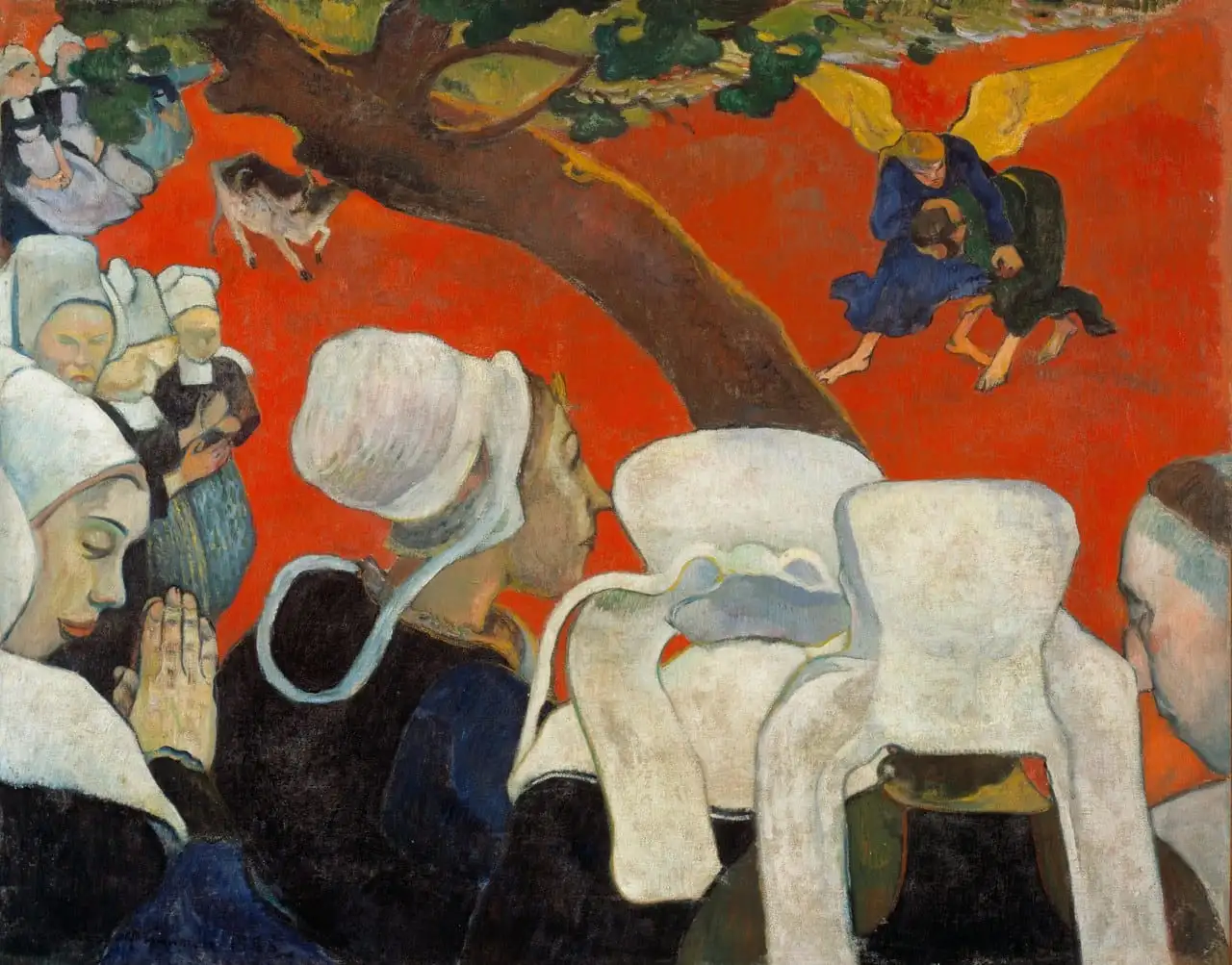
Paul Gauguin · 1888
Vision After the Sermon
Mini · Petite · Small · Medium
From $15.00 CAD