William Holman Hunt · 1854
The Scapegoat
Posters from $15.00 CAD · Canvas from $39.00 CAD
Ships across Canada
A lone goat with a red band round its horns staggers across the salt flats of the Dead Sea at dusk, a skeleton and a skull in the shallows and violet mountains behind. Hunt's Day of Atonement scapegoat. Lady Lever Art Gallery, Port Sunlight.
Up to 17.9 × 11 in · landscape
Size
Larger sizes are unavailable for this painting because the source scan's resolution wouldn't print at gallery quality.
Format & finish
Archival cotton canvas stretched over a wooden frame. Ready to hang as-is. No external frame.
Scale next to a 5'10" person
+ tax at checkout
Materials & quality
›Canvas & inks
Giclée-printed on archival cotton canvas with fade-resistant pigment inks, hand-stretched over wooden bars. Gallery-wrapped — ready to hang with no extra frame needed.
›Floater frame
Hand-finished solid wood floater frame in five finishes. The canvas sits inside with a clean shadow gap — the way galleries hang contemporary canvas.
›Posters
Premium archival paper — 200 gsm soft matte or 230 gsm vibrant glossy. Ships flat or rolled, ready for your own frame.
›Faithful to the source
Printed from the highest-resolution museum and archive scans available. Each painting's maximum size is capped at what its source scan can support at gallery quality.
The story of The Scapegoat
The Scapegoat (1854-1856) is a painting by William Holman Hunt which depicts the "scapegoat" described in the Book of Leviticus. On the Day of Atonement, a goat would have its horns wrapped with a red cloth.
Adapted from Wikipedia, available under CC BY-SA 4.0.
William Holman Hunt
William Holman Hunt was an English painter and one of the founders of the Pre-Raphaelite Brotherhood. His paintings were notable for their great attention to detail, vivid colour, and elaborate symbolism. These features were influenced by the writings of John Ruskin and Thomas Carlyle, according to whom the world itself should be read as a system of visual signs. For Hunt, it was the duty of the artist to reveal the correspondence between sign and fact. Of all the members of the Pre-Raphaelite Brotherhood, Hunt remained most true to their ideals throughout his career. He was always keen to maximise the popular appeal and public visibility of his works.
All William Holman Hunt prints →Biography adapted from Wikipedia, available under CC BY-SA 4.0.
You may also like
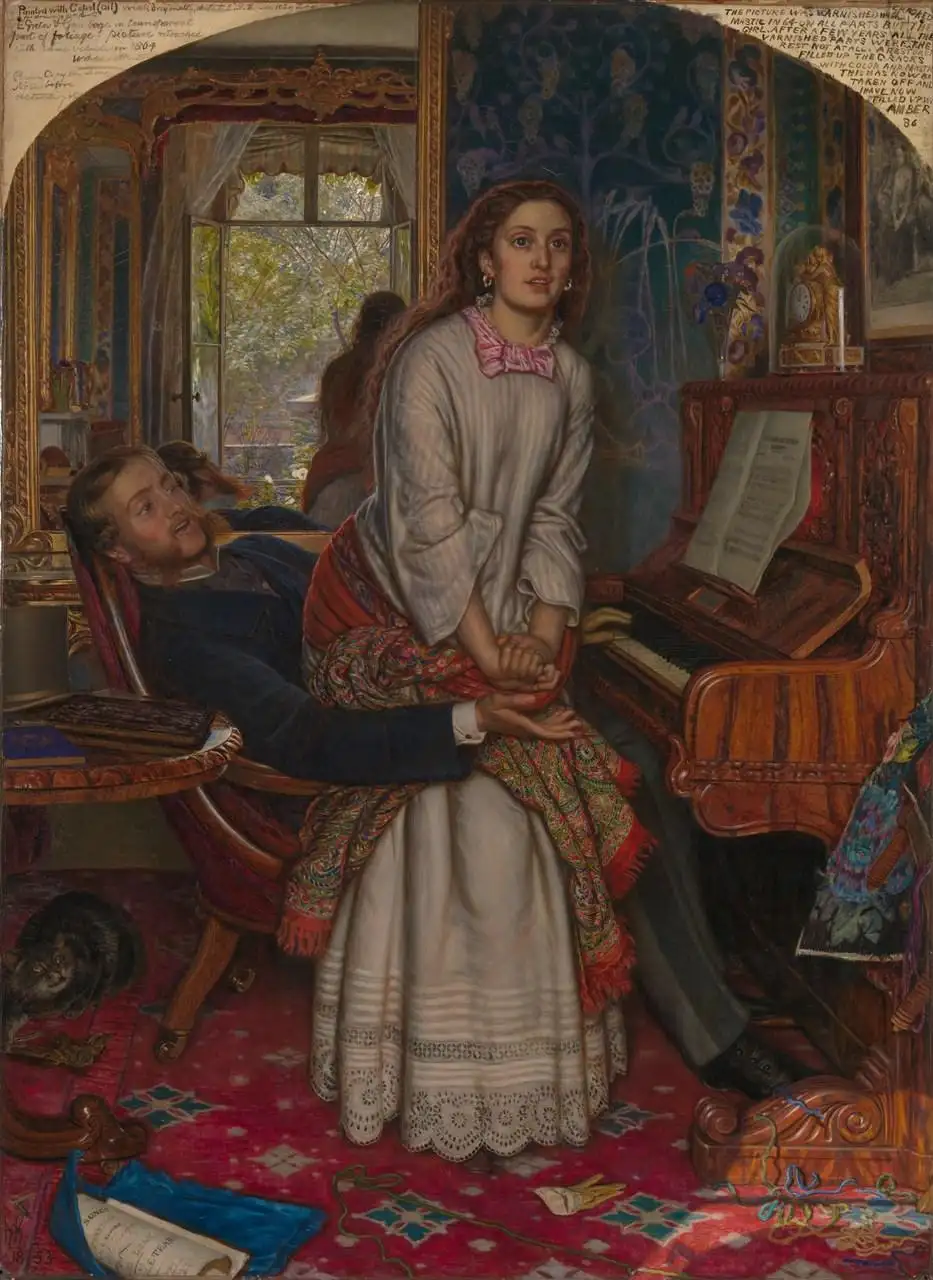
William Holman Hunt · 1853
The Awakening Conscience
Mini · Petite · Small · Medium
From $15.00 CAD
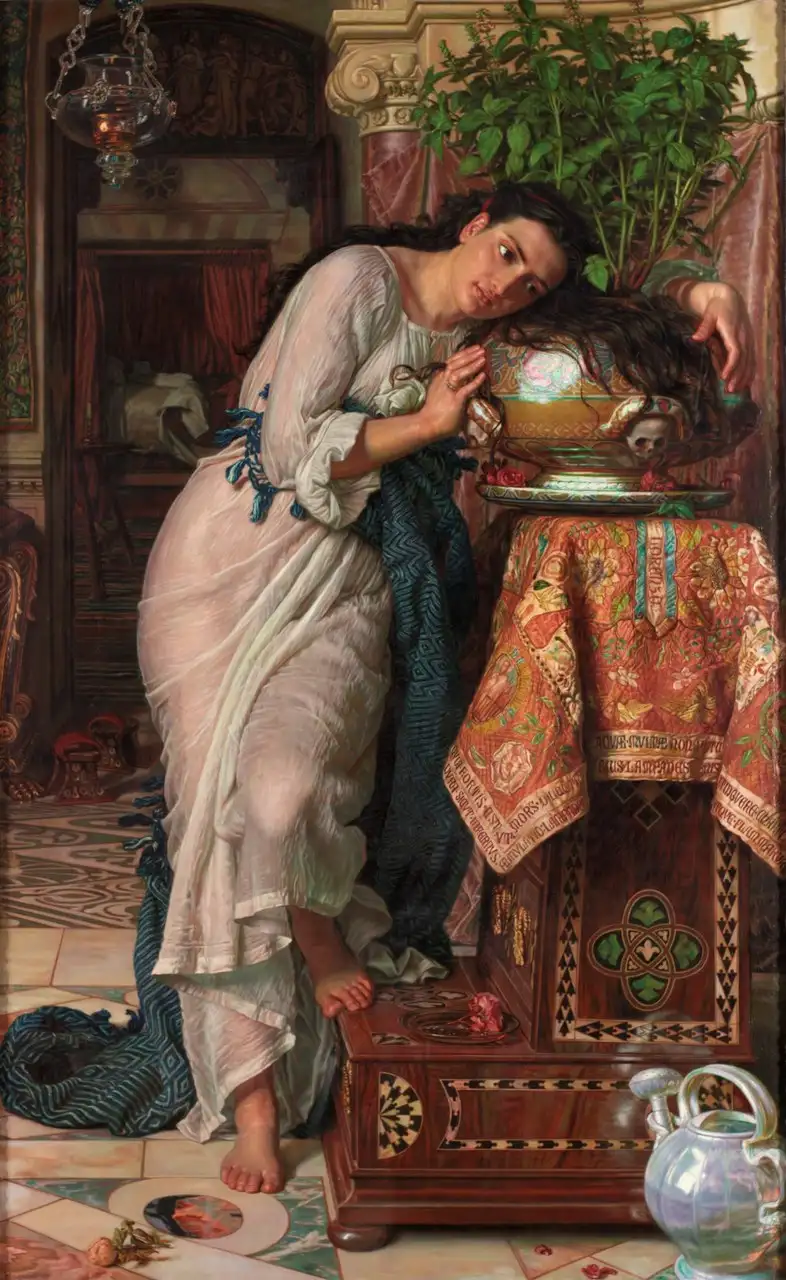
William Holman Hunt · 1868
Isabella and the Pot of Basil
Mini
From $15.00 CAD
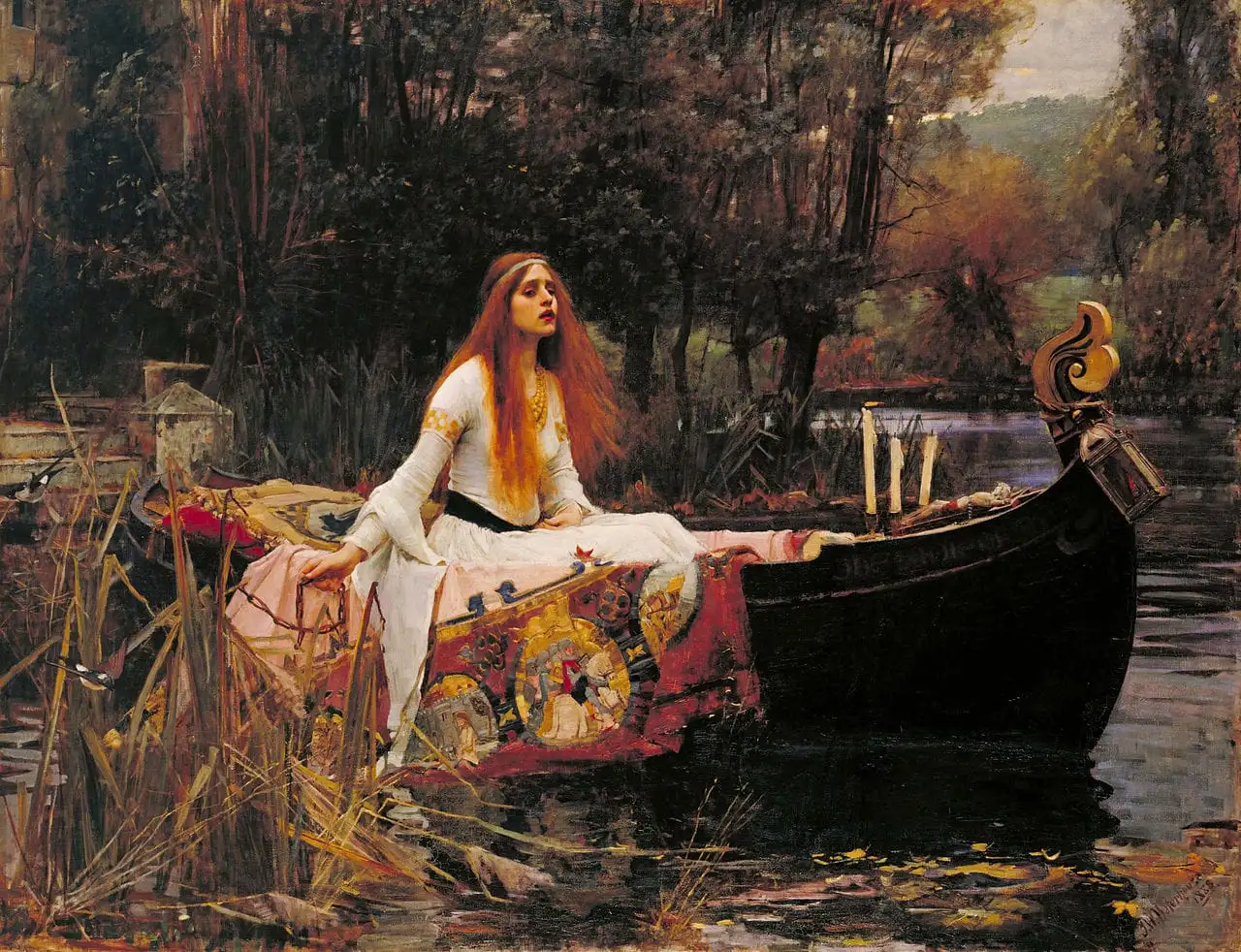
John William Waterhouse · 1888
The Lady of Shalott
Mini · Petite · Small · Medium
From $15.00 CAD
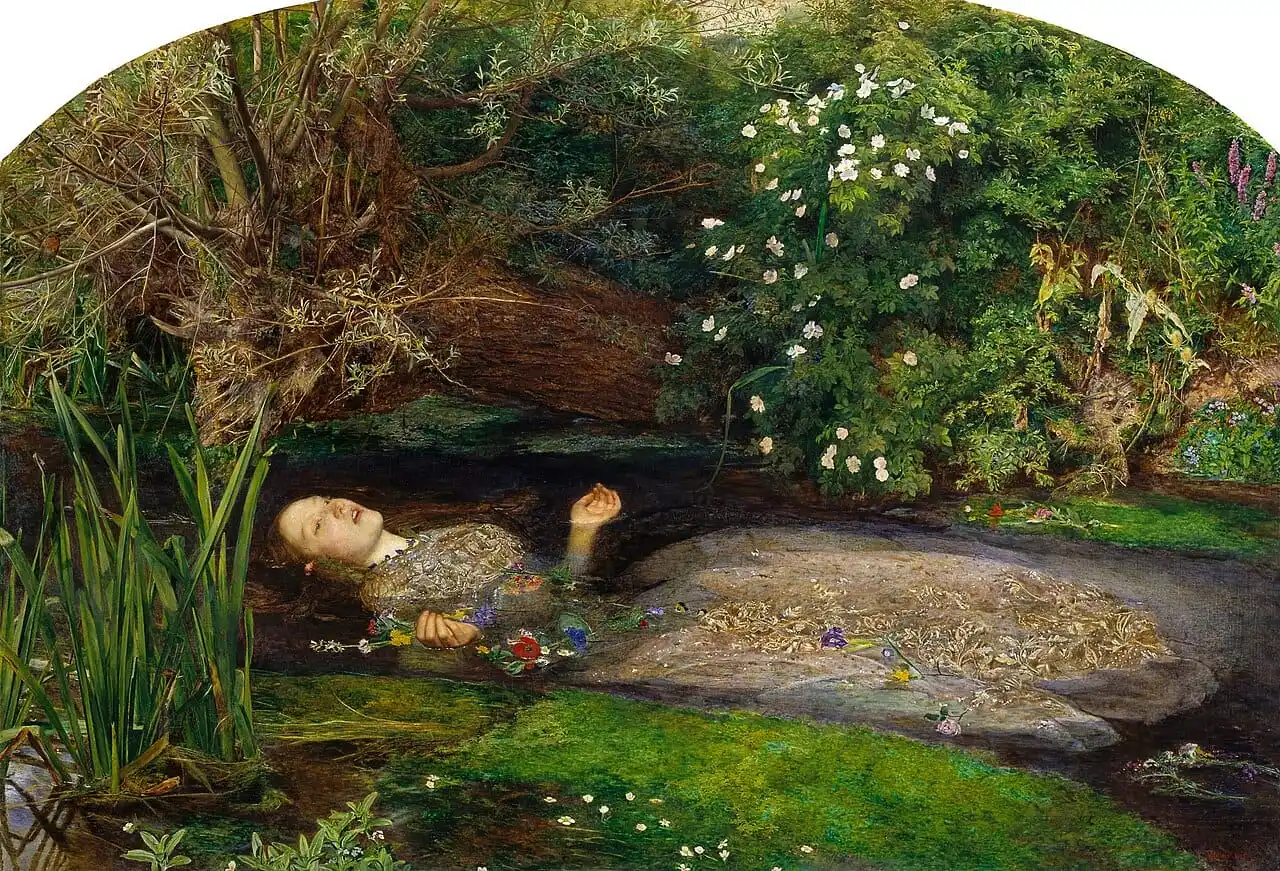
John Everett Millais · 1851–52
Ophelia
Mini · Petite · Small · Medium
From $15.00 CAD
John William Waterhouse · 1896
Hylas and the Nymphs
Mini
From $15.00 CAD
John William Waterhouse · 1903
Echo and Narcissus
Mini · Petite · Small
From $15.00 CAD